South Asian women face unique health challenges due to a combination of genetics, cultural practices, diet patterns, and social expectations. Yet, many mainstream health resources overlook these specific needs. Understanding these nuances can help women, families, and healthcare providers approach wellness more effectively.
Genetic Predispositions
Research shows South Asian women are at a higher risk for conditions such as:
-
Type 2 diabetes
-
Polycystic Ovary Syndrome (PCOS)
-
Cardiovascular disease
-
Thyroid disorders
These risks often appear even in women who maintain a “healthy” outward appearance, such as having a lower BMI.
Cultural & Lifestyle Influences
-
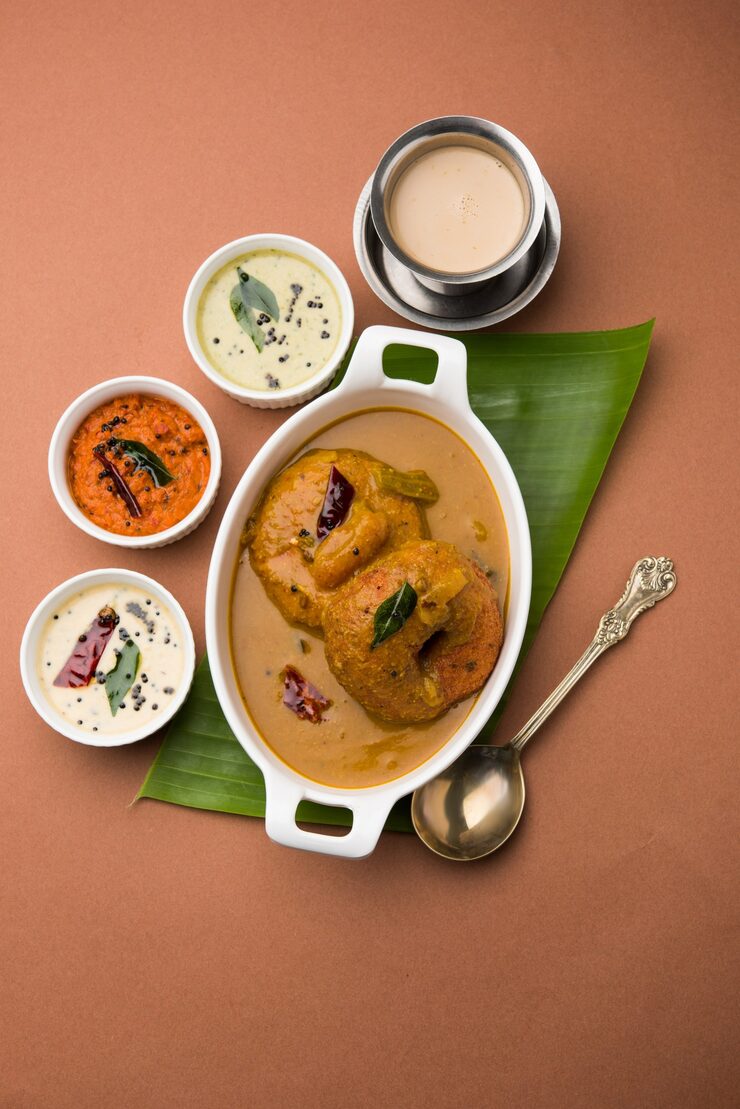
Diet: Many South Asian diets are rich in refined carbohydrates and oils. While flavorful and comforting, these foods can contribute to inflammation and insulin resistance.
-
Stigma in discussing women’s health: Topics like menstruation, fertility, menopause, and mental health may still be taboo, limiting early diagnosis.
-
Caregiver expectations: Many South Asian women prioritize family needs over their own, delaying care.
How Culturally Aware Care Helps
-
Prevents misdiagnosis
-
Encourages culturally relevant nutrition advice
-
Creates safer spaces for discussing sensitive topics
-
Improves overall healthcare outcomes
Empowering South Asian women begins with education and representation — and that’s exactly why platforms like southasianher.com matter.